

Introduction: The Tiredness That Has No Clear Reason
Many people today feel mentally tired even on days when they haven’t done much physical or professional work. There is no long to-do list, no heavy deadlines, and no visible stress, yet the mind feels exhausted. This kind of tiredness is confusing because it doesn’t match effort.

Mental fatigue without obvious work has become one of the most searched lifestyle concerns in recent years. People wake up feeling drained, lose focus easily, and feel low motivation throughout the day, even when life appears normal from the outside.
This article explains why mental tiredness happens even without heavy work, what silently causes it, and how simple changes can help restore mental energy.

Understanding Mental Fatigue vs Physical Fatigue
Physical fatigue usually comes with clear reasons — exercise, long hours, or physical strain. Mental fatigue, however, builds quietly.
Mental tiredness happens when the brain stays constantly active without proper recovery. Even if the body rests, the mind may remain overloaded with thoughts, decisions, and digital stimulation.
In today’s lifestyle, mental effort is often invisible but continuous.
Why People Feel Mentally Tired Without Doing Much Work
1. Constant Thinking Without Awareness

Overthinking is one of the biggest causes of mental exhaustion. Many people replay conversations, worry about future outcomes, or mentally plan everything repeatedly.
This thinking happens automatically and silently. The brain stays active even during rest, making it feel tired without visible effort.
2. Digital Overload Throughout the Day
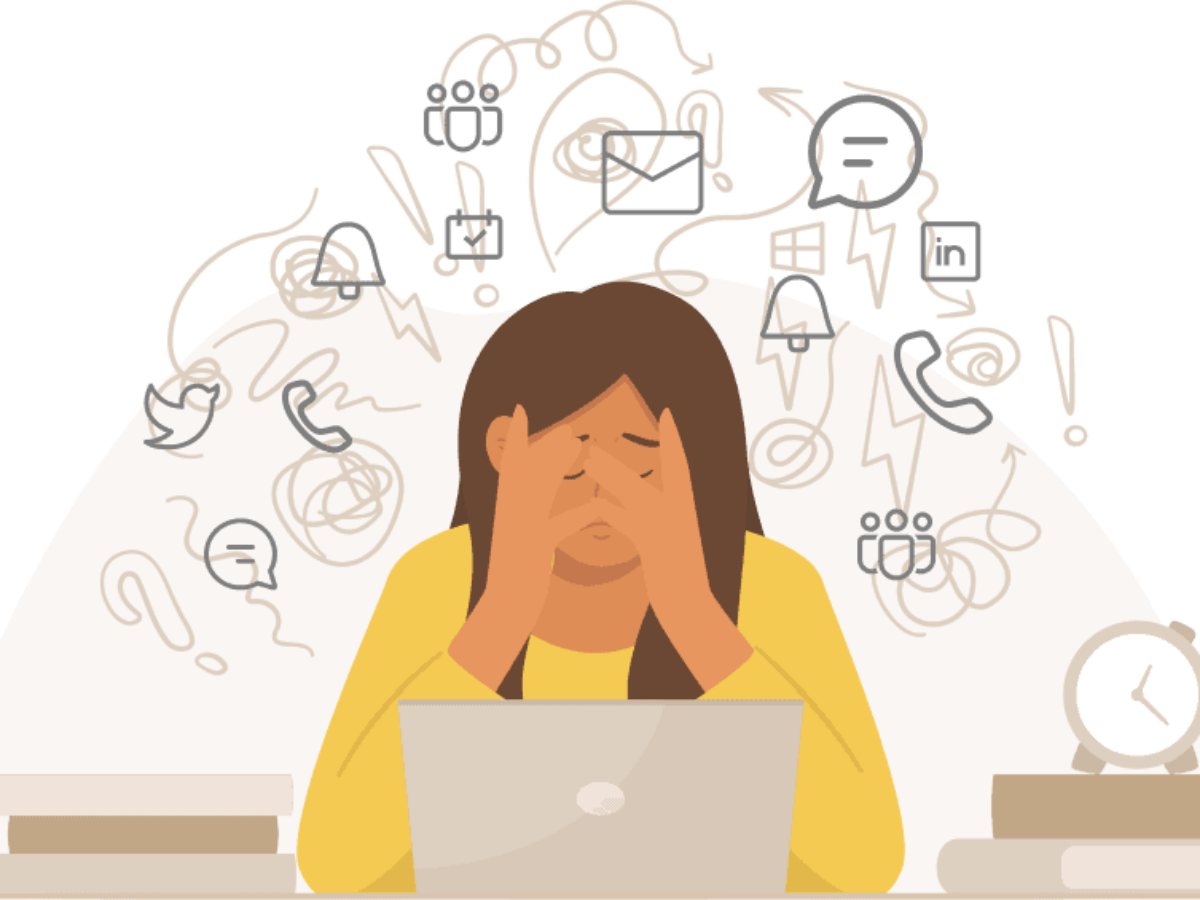
Scrolling through social media, reading notifications, watching short videos, and switching between apps keeps the brain in a constant state of alertness.
Even when content feels entertaining, the brain processes information continuously. Over time, this creates mental fatigue without the person realizing it.
3. Emotional Processing Without Expression

Many people suppress emotions to stay productive or calm. Unexpressed emotions — frustration, sadness, confusion — remain active internally.
This emotional processing consumes mental energy, making people feel tired even if their day looks easy from the outside.
4. Lack of Mental Boundaries
Working, resting, scrolling, and thinking often blend together. There is no clear start or end to mental activity.
Without boundaries, the brain doesn’t know when to slow down. This constant engagement leads to exhaustion without physical strain.
5. Decision Fatigue From Small Choices

Modern life demands constant decision-making — what to watch, what to eat, what to reply, what to ignore.
Each small decision uses mental energy. Over time, decision fatigue builds up, leaving the mind tired without major effort.
How Mental Tiredness Affects Daily Life
Mental fatigue impacts more than just mood. It quietly affects productivity, relationships, and overall satisfaction.
Common effects include:
- Difficulty concentrating
- Low motivation
- Irritability
- Reduced creativity
- Feeling overwhelmed by small tasks
When mental tiredness continues unchecked, people often mistake it for laziness or lack of discipline.
Why This Problem Is Increasing Today

The modern lifestyle encourages constant engagement. There is little time for mental stillness.
Digital connection, social comparison, fast information, and multitasking have increased mental load without increasing physical effort. As a result, mental exhaustion has become common even on low-activity days.
Simple Habits That Can Reduce Mental Tiredness
1. Reduce Mental Input, Not Just Work
Limit unnecessary information intake. Fewer notifications and less scrolling give the brain breathing space.
2. Create Clear Mental Breaks
Short breaks without screens help reset mental energy.
3. Practice Mental Single-Tasking
Doing one thing at a time reduces cognitive overload.
4. Allow Emotional Expression
Writing, talking, or reflecting helps release stored mental weight.
5. Build a Calm Evening Routine
Reducing stimulation at night prepares the mind for proper rest.
Why Rest Alone Is Not Enough
Many people rest physically but remain mentally active. True recovery happens when the brain slows down.
Mental rest requires:
- Silence
- Reduced stimulation
- Emotional release
- Predictable routines
Without these, rest feels incomplete.
Final Thoughts: Mental Tiredness Is a Signal, Not a Weakness
Feeling mentally tired without doing much work doesn’t mean something is wrong with you. It means your mind has been working quietly for too long.
Understanding mental fatigue helps people respond with patience instead of self-criticism. Small changes in daily habits can restore clarity, focus, and energy over time.