
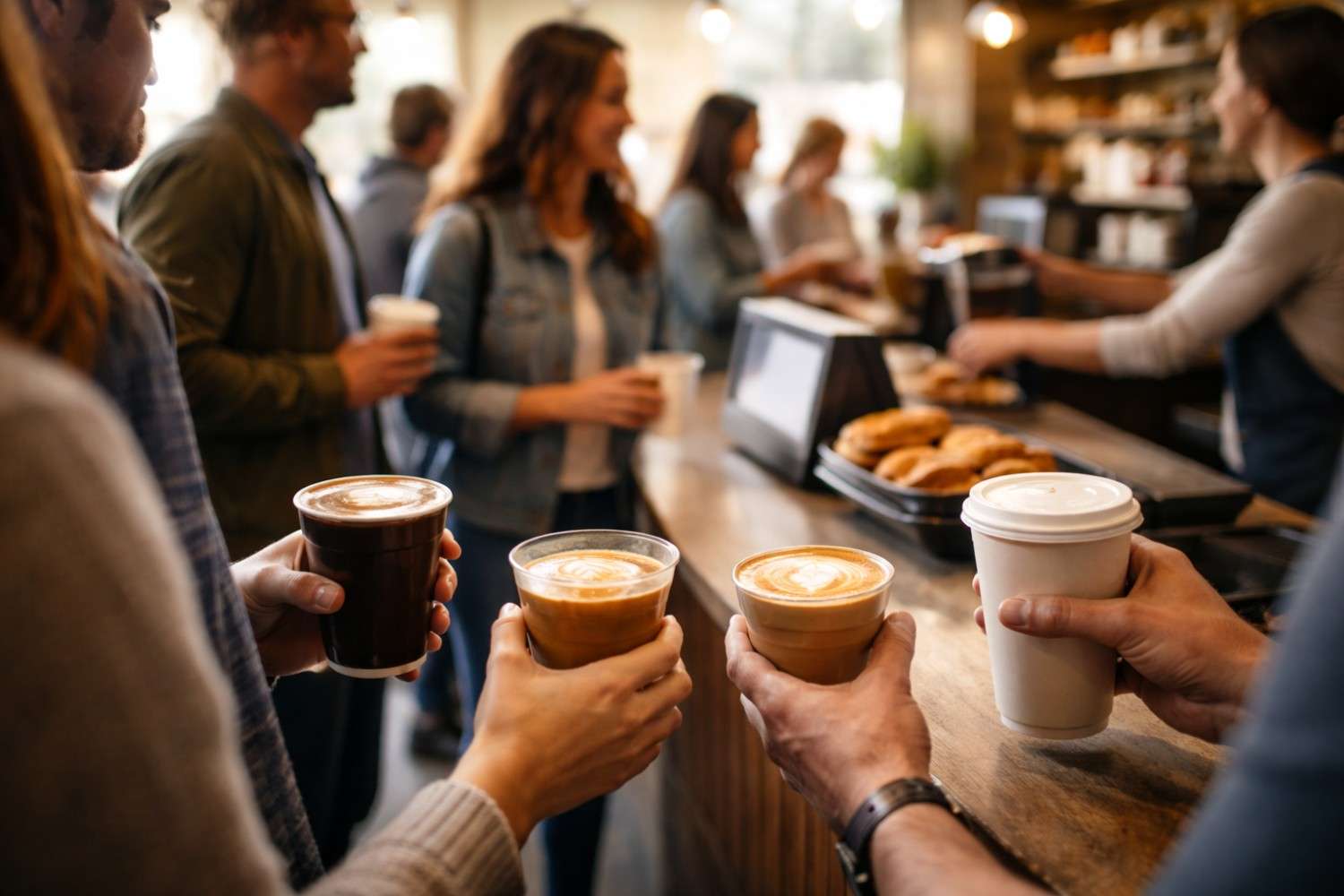
Coffee is no longer just a drink. For millions of people, it’s a daily ritual, a comfort habit, and a small form of self-expression. Whether you order the same thing every morning or change it based on mood, your coffee choice often reflects deeper personality traits, preferences, and lifestyle patterns.
Psychologists have long studied how everyday decisions—especially repeated ones—connect to behavior and temperament. Coffee orders are a perfect example: simple on the surface, surprisingly revealing underneath.
Why Coffee Choices Feel So Personal
Unlike many food choices, coffee is tied to routine. Most people drink it at the same time, in the same place, and order it the same way. Over time, this consistency turns a beverage into a behavioral signal.
Research in consumer psychology suggests that habitual preferences often mirror how people approach control, novelty, stress, and reward. Coffee orders, shaped by taste, tolerance, and emotion, quietly tell a story.
Black Coffee Drinkers: Practical and Direct
If you drink your coffee black, you likely value simplicity and efficiency.
Black coffee drinkers are often described as straightforward, goal-oriented, and comfortable with minimalism. They tend to prefer function over form and may be less interested in customization or trends.
Psychologically, this preference can align with high self-control and tolerance for bitterness—both literal and metaphorical. These individuals often focus on outcomes rather than experiences and may be perceived as decisive or no-nonsense.
Espresso Lovers: Focused and Intense
People who order espresso or double shots often associate coffee with performance rather than comfort.
This group is frequently linked to high energy, ambition, and mental sharpness. Espresso drinkers may enjoy intensity in other areas of life as well—fast-paced work, challenges, and efficiency.
From a psychological standpoint, choosing a concentrated drink reflects a preference for impact over duration. It’s less about sipping and more about getting results.
Latte and Cappuccino Fans: Balanced and Social
Milk-based coffee drinks are popular for a reason—they balance strength with comfort.
Latte and cappuccino drinkers often value harmony and approachability. They may enjoy structure but don’t want it to feel harsh. These individuals are frequently described as social, cooperative, and emotionally aware.
The added milk can symbolize a desire to soften intensity, suggesting someone who appreciates both productivity and pleasure, especially in social settings.
Sweet and Flavored Coffee Orders: Expressive and Comfort-Seeking
If your coffee includes syrups, whipped cream, or seasonal flavors, you’re likely someone who values experience and enjoyment.
Psychologists associate sweet preferences with openness, creativity, and emotional expression. These drinkers often see coffee as a treat, not just fuel.
They may also be more responsive to mood and environment, using flavors as a way to regulate emotions or add excitement to routine days.
Iced Coffee Year-Round: Independent and Habit-Driven
Ordering iced coffee in cold weather is a personality statement.
These drinkers are often independent, consistent, and less influenced by external expectations. They know what they like and stick to it, regardless of trends or conditions.
This behavior aligns with strong internal preferences and resistance to social pressure—traits linked to self-confidence and autonomy.
Decaf Drinkers: Mindful and Self-Regulating
Decaf drinkers are sometimes misunderstood, but their choice often reflects self-awareness rather than avoidance.
People who choose decaf may be more sensitive to their bodies, sleep, or anxiety levels. They often prioritize long-term well-being over short-term stimulation.
Psychologically, this signals strong self-regulation and the ability to delay gratification—traits associated with emotional intelligence.
Custom Order Enthusiasts: Detail-Oriented and Intentional
Some people have very specific coffee orders: alternative milks, exact temperatures, precise foam levels.
These individuals are often detail-oriented and intentional. They like things done “their way” and may apply the same precision to work, relationships, and decision-making.
While sometimes labeled as picky, this behavior often reflects conscientiousness and a desire for control in small, manageable ways.
The Psychology Behind Taste Preferences
Taste perception is influenced by genetics, culture, and past experiences. But personality also plays a role.
Studies suggest that people who enjoy bitterness may score higher on sensation-seeking traits, while those who prefer sweetness may be more reward-oriented. Over time, these tendencies shape daily habits—including coffee choices.
Importantly, no preference is better than another. They simply reflect different ways people seek comfort, energy, or control.
Why People Suddenly Care About Coffee Personalities
As coffee culture becomes more visible on social media, people are increasingly curious about what small habits “say” about them.
Coffee orders have become part of identity—shared online, customized endlessly, and associated with lifestyle aesthetics. This has turned an everyday choice into a form of self-branding, making the psychology behind it more interesting than ever.
What Most People Misunderstand
Your coffee order doesn’t define you—but it does reflect patterns.
Personality is complex and flexible. A black coffee drinker can love sweetness elsewhere, and a flavored latte fan can be highly disciplined. Context matters, mood matters, and people change.
Coffee choices are signals, not labels.
FAQs
Can my coffee preference change over time?
Yes. Taste, tolerance, lifestyle, and health all influence coffee choices, and personality itself evolves.
Do psychologists really study food and drink preferences?
Yes. Taste preferences are commonly studied in behavioral and consumer psychology.
Is there a “healthiest” personality type for coffee?
No. Health depends on moderation and individual tolerance, not personality traits.
Why do people feel judged for their coffee orders?
Because coffee has become a cultural symbol tied to identity, productivity, and lifestyle.
Does caffeine affect personality?
Caffeine can temporarily influence mood and alertness, but it doesn’t change core personality traits.
Final Takeaway
Your coffee order is a small window into how you approach comfort, energy, and routine—but it’s only one piece of a much bigger picture.
Whether you love black coffee, sweet lattes, or iced drinks in winter, your choice reflects preference, not character. In the end, coffee is personal because people are personal—and that’s what makes the ritual meaningful.
Disclaimer: This article is for informational and lifestyle discussion purposes only. It reflects general observations and common psychological interpretations, not definitive personality assessments.