
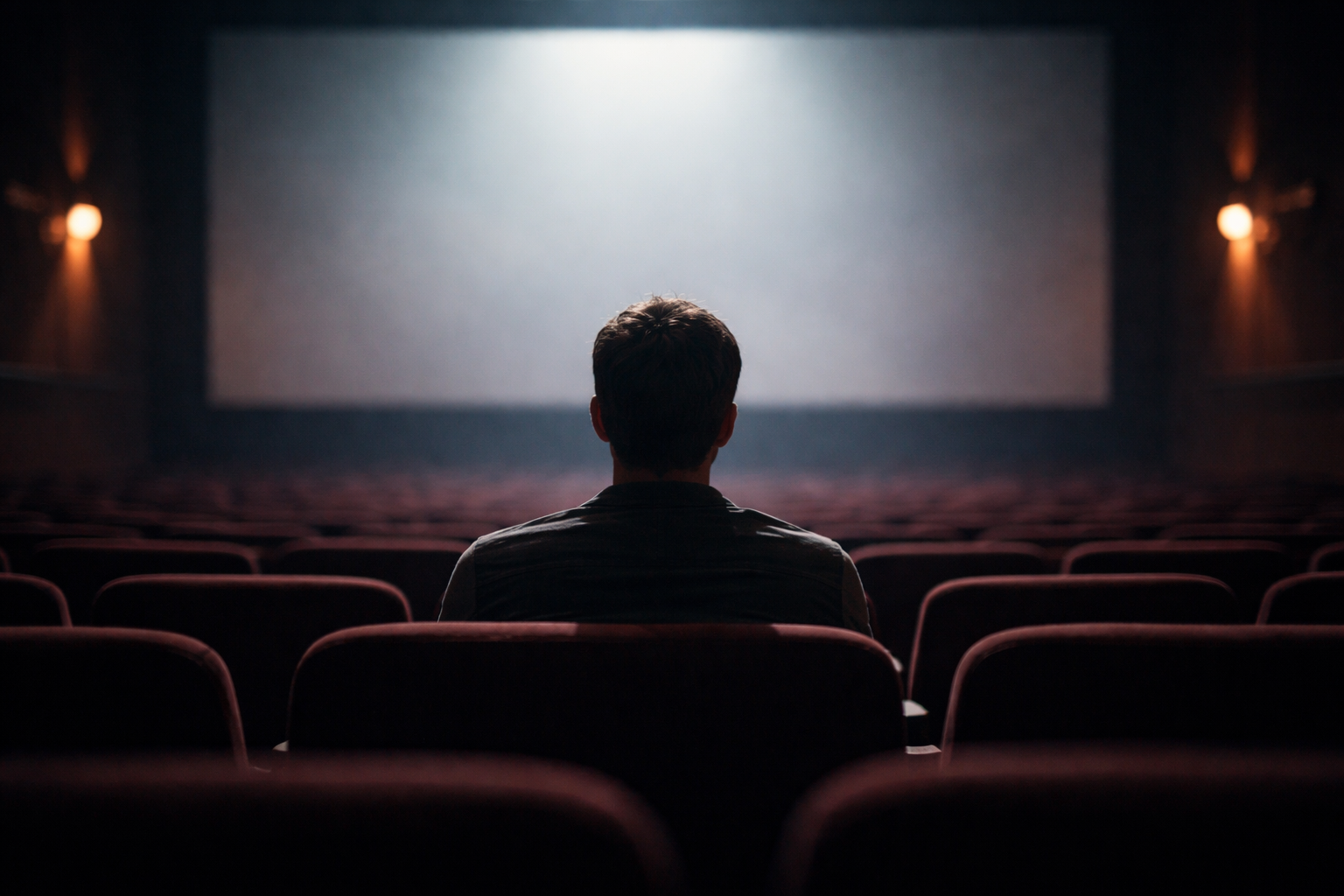
The Quiet Habit Many Actors Don’t Talk About
You might assume that seeing yourself on a massive screen is one of the rewards of acting. Yet, for many actors, watching their own movies is something they actively avoid. This isn’t about arrogance or indifference. It’s often about psychology, identity, and the strange emotional cost of turning your inner self into public entertainment.
In recent years, more actors have openly admitted this habit, sparking curiosity among fans. Why would someone pour years into a film and then refuse to sit through it?
Acting Is Personal in a Way Audiences Don’t See
You don’t see a character, you see yourself
For an audience, a movie character feels separate from the actor. For the actor, that separation is much harder. They remember what they were feeling during each scene, what went wrong, what they wanted to change, and what never made it into the final cut.
Watching the film later can feel like revisiting a version of themselves that no longer exists. Instead of immersion, they experience self-awareness at every moment.
The performance is never “finished” in their mind
Most actors stop experiencing a role as complete once filming ends. Editing, music, camera angles, and pacing are decisions made later, often without them. When they watch the final product, it can feel unfamiliar, like someone else shaped their work.
This lack of control makes the experience uncomfortable rather than enjoyable.
Self-Criticism Hits Harder on the Big Screen
Actors are trained to notice flaws
Acting is built on constant feedback. Actors are taught to analyze their voice, posture, timing, and emotional truth. That skill doesn’t turn off in a movie theater.
Instead of watching the story, many actors focus on micro-details:
- A line delivery that felt off
- A facial expression they wish they had softened
- A moment where the emotion didn’t land the way they hoped
What audiences see as natural, actors often see as mistakes magnified 40 feet tall.
Perfectionism plays a role
Psychologists often link creative professions with higher levels of perfectionism. For actors, watching their own work can trigger rumination rather than pride. Instead of celebrating what worked, their attention drifts to what could have been better.
For some, avoiding the movie altogether is healthier than replaying self-doubt.
The Identity Conflict: “That’s Not Me Anymore”
Movies freeze time, people don’t
A film captures an actor at a specific age, mindset, and stage of life. Years later, watching it can feel like looking at an old version of yourself that no longer reflects who you are.
This can be especially difficult for actors who associate certain roles with challenging personal periods. The performance may be good, but the memories attached to it are not.
Fame adds another layer of pressure
When a film becomes widely known, the performance stops being private art and becomes public identity. Actors know that millions of people may associate them permanently with a single role.
Watching the movie can reinforce that feeling of being boxed into a version of themselves they’ve already outgrown.
Emotional Distance Is a Survival Tool
Detachment protects mental health
Some actors deliberately avoid watching their work as a way to maintain emotional boundaries. Reliving intense scenes, especially in films involving grief, violence, or trauma, can reopen emotional wounds.
By not watching, they allow themselves to move forward rather than stay emotionally tied to past roles.
Theater actors feel this less often
Interestingly, stage actors report this issue less frequently. Theater performances are fleeting. Once the curtain falls, the moment is gone. Film, on the other hand, repeats endlessly.
That permanence changes how actors relate to their own work.
What Most People Misunderstand About This Habit
It’s not insecurity, it’s perspective
Audiences often assume actors who avoid their films lack confidence. In reality, many are deeply confident in their craft. Their avoidance comes from knowing the process too well, not too little.
They understand how many variables shape a performance and how little control they ultimately have over the final image.
Many actors still watch for professional reasons
Some actors do watch their films, but only once, and only to learn. They approach it analytically, not emotionally. Others watch early cuts but avoid the final release.
There’s no single “correct” approach, just what works for the individual.
Why This Topic Is Getting Attention Now
Streaming platforms, interviews, and podcasts have given actors more space to talk honestly about their inner lives. As audiences grow more interested in mental health and creative pressure, these confessions resonate more than ever.
People are realizing that success doesn’t eliminate self-doubt. In some cases, it amplifies it.
FAQs
Do most actors avoid watching their movies?
No. Many do watch their work, but a noticeable number choose not to. It’s a personal decision rather than an industry norm.
Does this mean they hate their performance?
Not necessarily. Some actors are proud of their work but still find the experience of watching themselves uncomfortable.
Do actors watch their movies with family or friends?
Some avoid group screenings entirely because shared reactions can heighten self-consciousness.
Is this common in other professions?
Yes. Musicians, writers, and public speakers often struggle to revisit their own work for similar psychological reasons.
Does avoiding their films affect their career?
Not at all. This habit usually has no impact on performance quality or professional success.
Final Takeaway
Refusing to watch one’s own movies isn’t about ego or fear. It’s about how deeply personal creative work can feel to the person who made it. For many actors, distance is a way to protect their sense of self, move forward, and keep creating without getting trapped in past versions of themselves.
Understanding this habit offers a rare glimpse behind the glamour, reminding us that even the most visible professionals experience vulnerability in private ways.
Disclaimer
This article is for informational and opinion-based purposes only and reflects general observations about creative professionals and human behavior.